
Description
Fatum (FAO 420)
High-Performance Modified Single Cross Corn Hybrid for Stable Grain Production
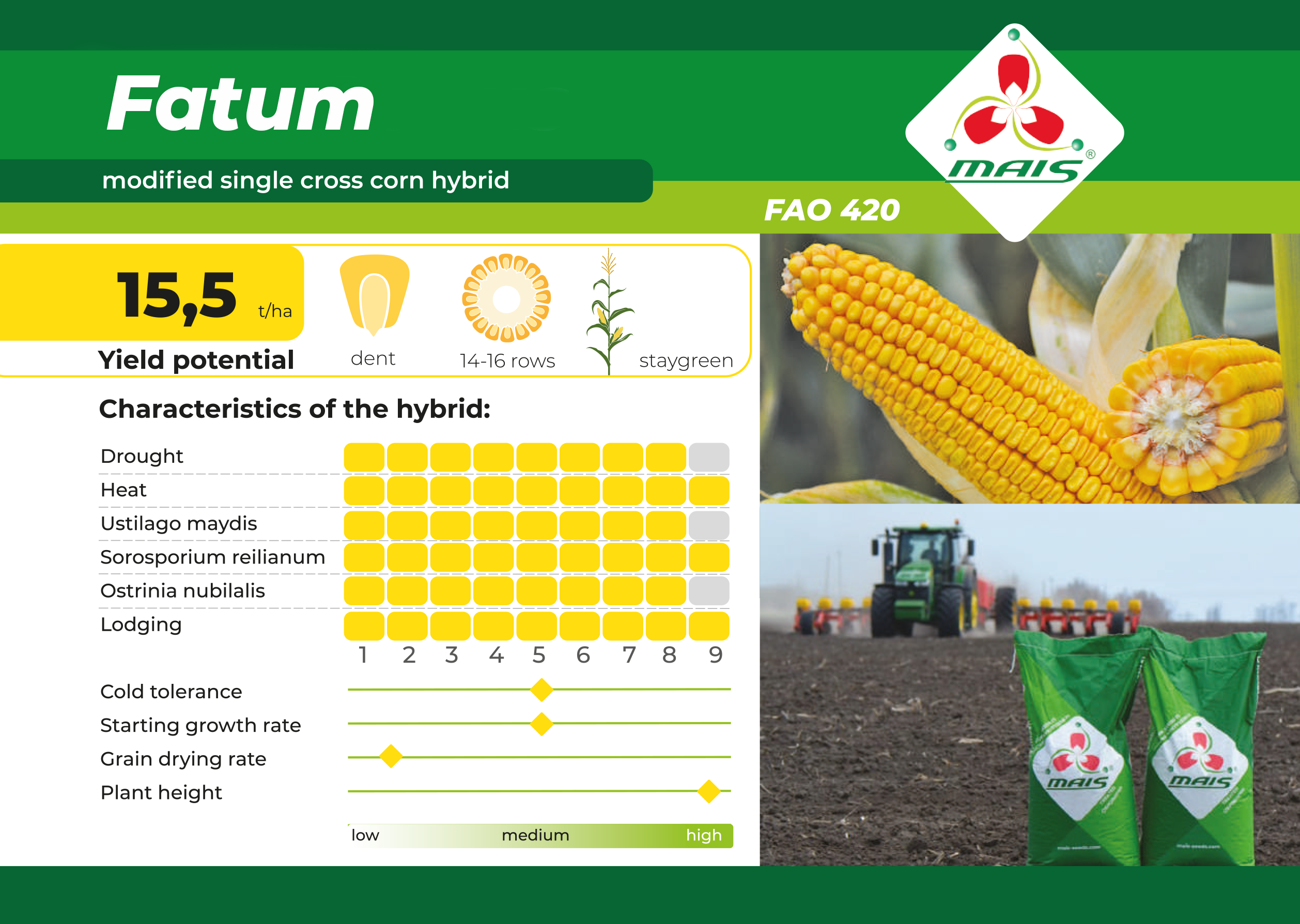
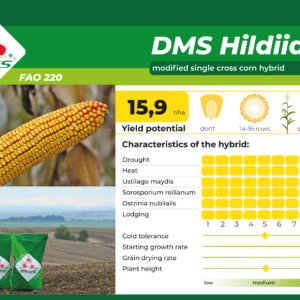
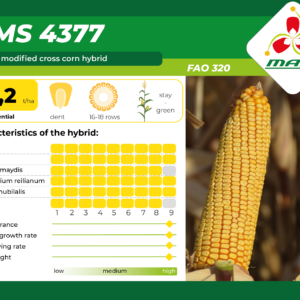
Fatum is a modified single cross maize hybrid (FAO 420) developed for producers seeking reliable performance, strong adaptability, and stable yields under a wide range of environmental conditions. With a yield potential of up to 15.5 t/ha, the hybrid combines excellent agronomic characteristics with dependable stress tolerance and healthy plant development.
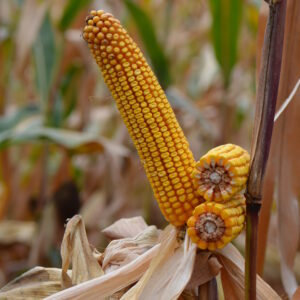
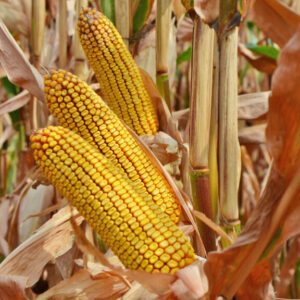
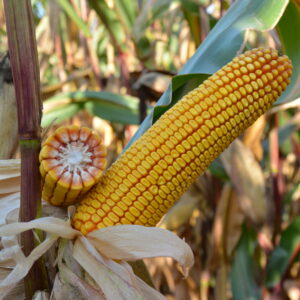
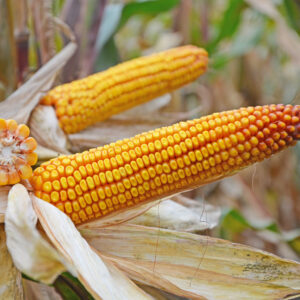
The hybrid produces dent-type grain and well-filled ears with 14–16 kernel rows, ensuring high grain quality and consistent productivity. The Stay-Green trait enables plants to remain photosynthetically active during the grain-filling period, supporting efficient nutrient translocation, improved drought resilience, and greater yield stability.
Fatum demonstrates excellent tolerance to high temperatures, very good drought resistance, and strong resistance to major corn diseases, including head smut (Sporisorium reilianum) and common smut (Ustilago maydis). The hybrid also offers high resistance to lodging, allowing plants to maintain standability until harvest.
The hybrid features:
- Good cold tolerance for stable early establishment.
- Medium early-season growth vigor.
- Relatively slow grain dry-down, making it well suited for regions with a longer growing season.
- Tall, vigorous plants with excellent biomass production.
- Strong adaptability to favorable and moderately stressful environments.
Key Benefits
- FAO: 420
- Hybrid type: Modified single cross
- Grain type: Dent
- Yield potential: Up to 15.5 t/ha
- Ear type: 14–16 kernel rows
- Stay-Green technology
- Excellent heat tolerance
- Very good drought tolerance
- High resistance to major corn diseases
- Excellent lodging resistance
- Tall plant architecture with high biomass potential
- Ideal for high-yield grain production in medium- to long-season growing regions
Fatum is an excellent choice for growers looking for a dependable late-maturity hybrid that combines strong agronomic performance, stress tolerance, and consistent grain production across diverse environments.

Reviews
There are no reviews yet.